Bathroom decor is more than aesthetics; it's a balance of style, function, and durability. With 10+ years in interior design and a data-driven approach to content, I guide homeowners to craft bathrooms that feel both luxurious and practical. This article covers key elements, trends, and budget-smart ideas to elevate your space.
Key Elements of Bathroom Decor
Color palettes
Color sets the mood and can affect perceived space. Light neutrals with soft accents expand a small room, while deep tones add drama in larger baths. Consider a cohesive color system that you can echo in towels, cabinetry, and accessories.
- Base neutrals: whites, warm beiges, soft grays
- Accent colors: muted blues, sage greens, or terracotta
- Finish consistency: matte fixtures with glossy surfaces create balance
Materials and Surfaces
Durable, moisture-resistant materials are essential. Porcelain or ceramic tiles, quartz countertops, and solid-surface shower walls resist humidity and are easy to clean.
- Tiles with slip resistance for flooring
- Quartz or solid-surface countertops for longevity
- moisture-resistant paint and sealed wood accents
Lighting and Fixtures
Layered lighting—ambient, task, and accent—transforms a bathroom. Choose fixtures with warm color temperatures (2700–3000K) for a welcoming glow, and install dimmers near sinks and showers.
Storage and Organization
Smart storage keeps counters clear. Built-in niches, floating vanities, and recessed medicine cabinets maximize space without clutter.
Style Ideas and Trends
Modern Minimalism
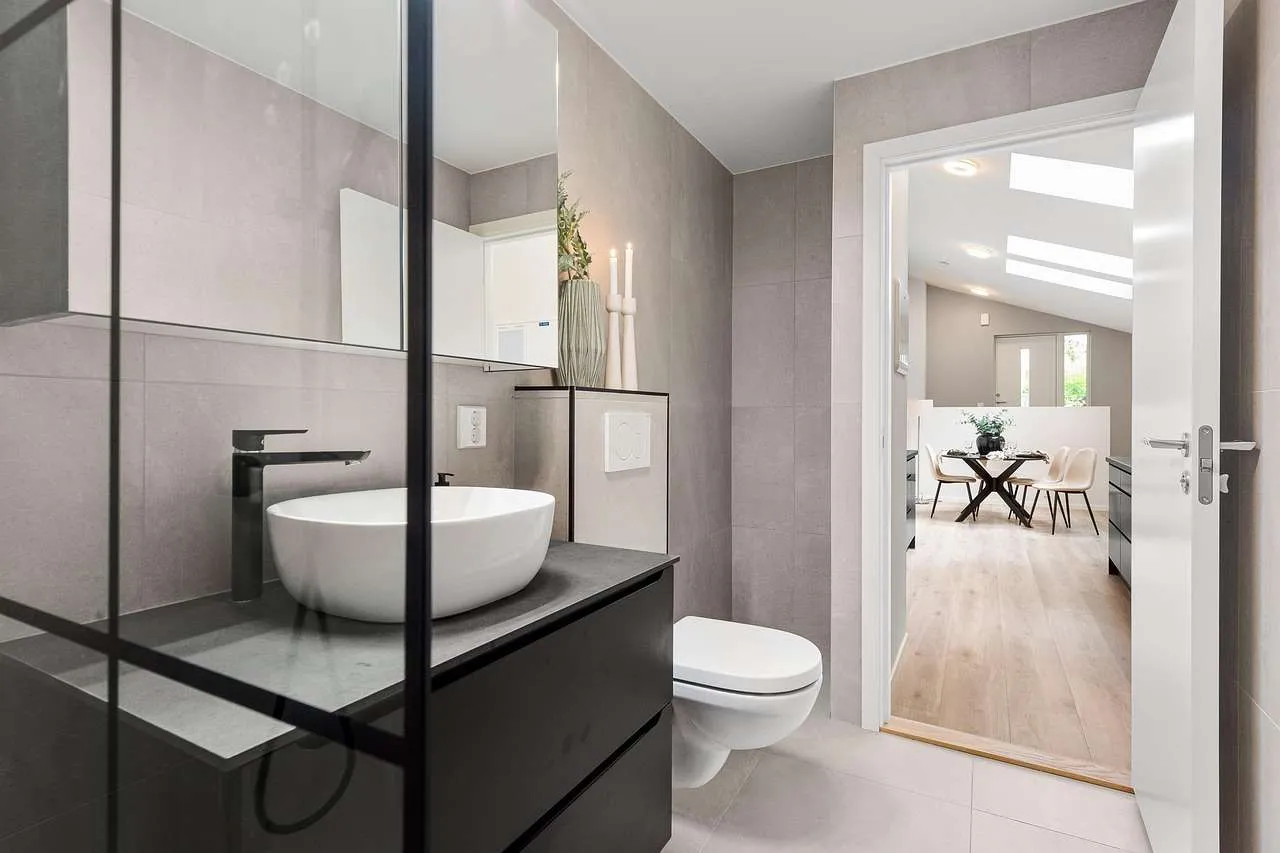
Clean lines, uncluttered surfaces, and a restrained color palette define this look. Use hidden storage and wall-mounted fixtures to enhance the sense of openness.
Spa-inspired Retreat
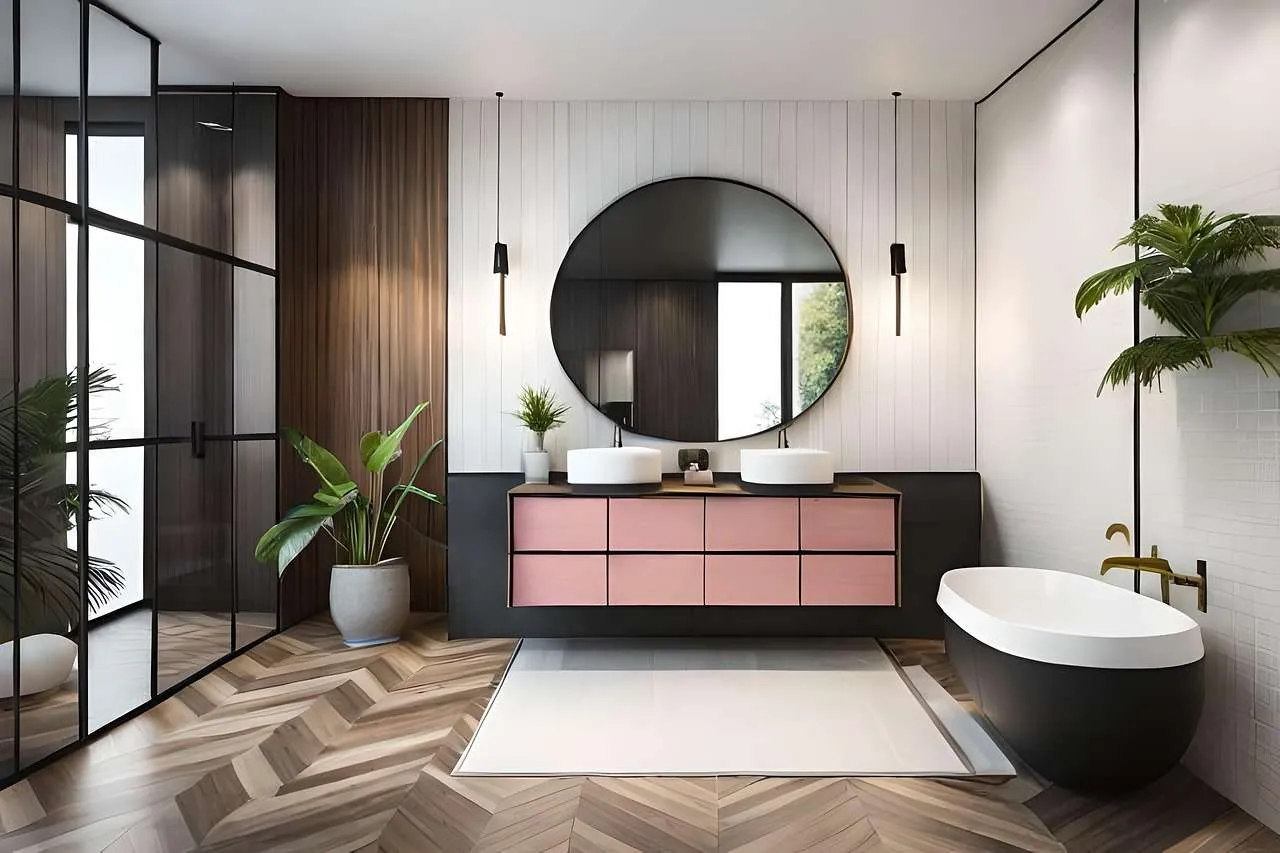
Soft textures, natural stones, and warm European porcelain evoke a resort-like feel. Consider rainfall showers, oversized trough sinks, and plants for a serene atmosphere.
Vintage Charm
Retro-inspired tiles, brass fixtures, and soft ceramic accessories bring character. Balance antique elements with modern durability to ensure longevity.
Natural Textures
Incorporate wood accents, stone, and woven textiles to create tactile interest while maintaining moisture resistance through treated surfaces.
Small Bathroom Decor: Maximizing Space
In compact baths, light colors, large mirrors, and vertical storage expand the sense of space. Choose a single cohesive material palette to avoid visual noise.
Practical Tips
- Install a wall-hung vanity to free floor space
- Use recessed shelves in showers
- Opt for multi-functional accessories (towel warmers with rails, recessed lighting)
Budget Considerations: How to Decide
Decide where to invest for impact—fixtures and countertops often yield the best return, while decorative items can be refreshed more affordably. Compare materials by durability, maintenance, and moisture resistance before purchasing.
| Style | Key Elements | Pros | Cons | Typical Budget |
|---|---|---|---|---|
| Modern Minimalism | Clean lines, neutral palette, wall-mounted fixtures | Spacious feel, easy maintenance | Can feel cold without warmth | $2k–$8k |
| Spa-inspired Retreat | Soft textures, stone, rainfall shower | Relaxing ambience | Higher cost, maintenance of natural materials | $3k–$12k |
| Vintage Charm | Subway tiles, brass/brushed metal, porcelain | Timeless character | May require more upkeep | $1k–$10k |
| Rustic/Natural | Wood accents, stone, earthy tones | Warm and welcoming | Wood moisture risk, sealing needs | $2k–$9k |
Conclusion
Conclusion, a thoughtful approach to bathroom decor blends style, durability, and comfort. By selecting a cohesive color palette, layering textures, choosing lighting that flatters, and balancing budget with quality materials, you create a bathroom that remains functional and beautiful for years. Prioritize moisture-resistant finishes, proper ventilation, and timeless accents to sustain appeal beyond trends.